Master proper workspace setup and daily movement for lasting posture improvement.
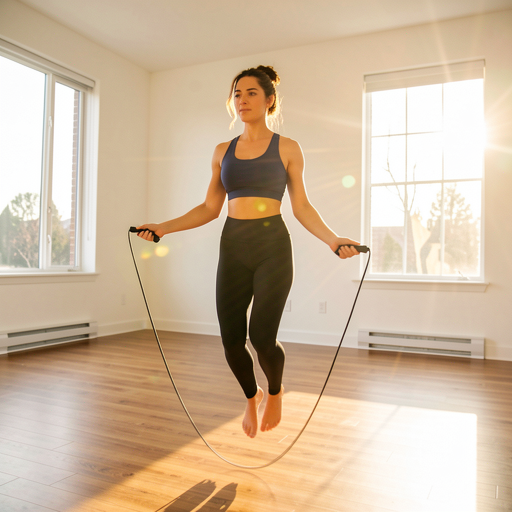
Good posture isn't just about standing up straight — it's about building the right muscular support system throughout your body. A strong trapezius muscle pulls your shoulders and neck into proper alignment, providing the foundation for all-day comfort at your workstation. These trapezius fibers span across your chest, arms and shoulders, working in tandem with your pectorals and deltoids. You need to strengthen all of these muscle groups together, not just one in isolation. Think about how jumping rope naturally engages your upper body — you're constantly retracting and depressing your shoulder blades while keeping your core tight. That's essentially what good fitness training should feel like: coordinated, full-body engagement rather than forcing yourself into an awkward stance.
When you understand how your muscles connect and support each other, everything becomes simpler. Setting up your workspace correctly makes the difference between working comfortably all day and heading home with a sore back. Position your monitor at what I call your "perimeter" — the distance where you can sit tallest and longest with your spine naturally straight. Your chest opens upward and backward, your head stays level with a slight forward tilt and your hips remain fully extended. No hunching, no leaning forward. Your arms rest naturally at your sides, elbows at approximately ninety degrees.
📣
When it comes to your keyboard, keep your forearms supported with no curve at the elbow, maintaining that flat, relaxed position. Your hands should hover at least two inches above the keys, ready to strike without strain. If you're using a laptop on your lap, keep it aligned with your knees to maintain a neutral spine. The office environment multiplies the physical toll of long sitting hours and poor posture compounds the problem until musculoskeletal pain becomes routine rather than exceptional. This is where consistency matters most. I tell all my clients that the habit of drilling jump rope techniques for just ten minutes each morning reprograms the body to remember what upright, engaged movement feels like.
🧜
You develop proprioception — you become aware of where your shoulders sit and whether your back has started to round. Small adjustments throughout the day, like standing up every thirty minutes or stretching your chest muscles, prevent the tension that builds from staying fixed in one position. You don't need an elaborate routine; you need to interrupt sitting before the damage accumulates. Reducing tension and stress at your workstation comes down to awareness and movement. Check your posture every hour — really check it, not just a casual glance. Is your monitor at the right height?
🏔️
Are your wrists straight? Is your lower back supported? These questions seem simple, but most people ignore them until pain forces them to pay attention. Incorporate exercises that strengthen your postural muscles and consider adding rope work to your morning routine to prime your body for upright movement. The cumulative effect of proper ergonomics combined with active movement patterns will transform how you feel at the end of the workday. Start today and your back will thank you tomorrow.